Endereço físico
304 North Cardinal St.
Dorchester Center, MA 02124
Endereço físico
304 North Cardinal St.
Dorchester Center, MA 02124

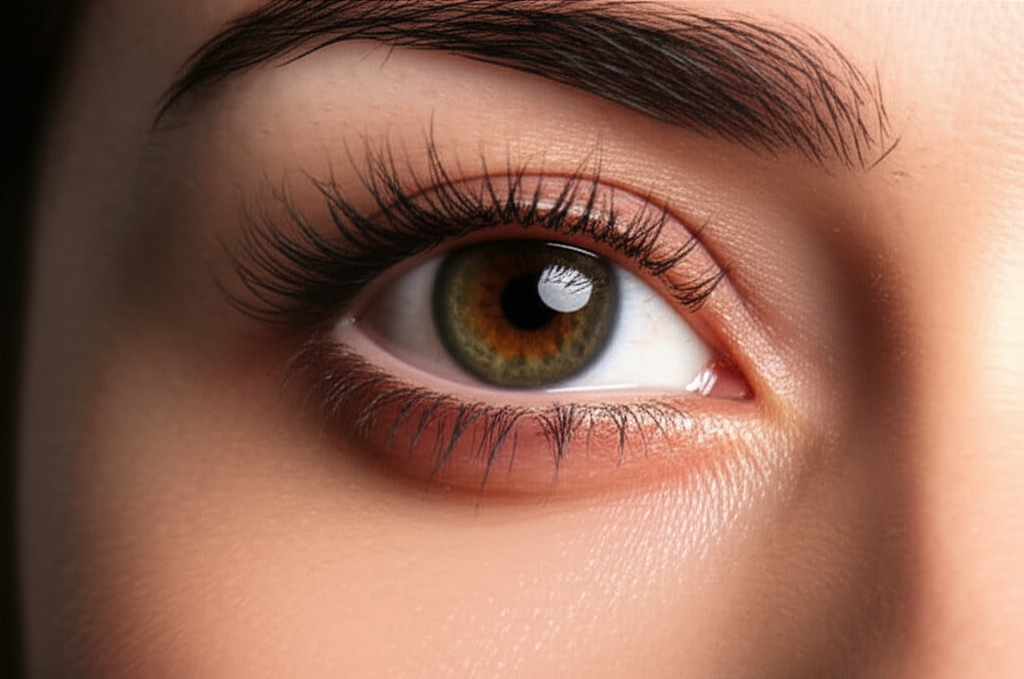
That nagging tooth pain creeps up into your cheek and maybe even behind your eye. Or, after you’ve fought a tough cavity, your vision seems blurry or your eye just looks red and won’t settle down. Naturally, you wonder: Can problems with your teeth really mess with your eyes? You’re definitely not alone in thinking about this.
A lot of people don’t realize how much our bodies are tied together—especially teeth and eyes. If you’ve ever heard your dentist or eye doctor say that bad oral health could affect your sight, you might have brushed it off. After all, your teeth and eyes seem far apart, right? But as you’ll find out, they’re more closely linked than you think.
Let’s talk about the ways bad teeth and gums can cause eye pain, swelling, and sometimes even bigger vision problems—and, most importantly, what you can do to keep your mouth and your eyes healthy.
Sejamos claros: Yes, bad teeth and gum disease can affect your eyes. There’s a real link between poor oral health and some eye problems. It might sound weird, but once you see how your whole body works together, it makes sense.
Doctors talk about the “oral-systemic link,” which basically means problems in your mouth can spread elsewhere—sometimes through your blood, nerves, or by putting your immune system under stress.
So if you have a toothache, mouth infection, swelling in your gums, or skip that next cleaning, you’re right to care about it.
Por que problemas na boca afetariam seus olhos? Aqui está a ciência simples e o que acontece na vida real.
Sua boca está cheia de bactérias - a maioria está bem, mas algumas não. Se você tem cáries não tratadas, infecções nas gengivas, como periodontite, ou um abscesso dentário, esses germes podem sair. Eles viajam:
Se suas gengivas estão inchadas devido à doença gengival, mesmo que você não sinta, esse inchaço pode iniciar uma reação em cadeia para todo o seu sistema imunológico - como puxar um alarme de incêndio por fumaça em apenas um cômodo. Seus olhos podem reagir inchando ou doendo.
O principal nervo para sentir em seu rosto (o nervo trigémeo) tem ramificações que vão para seus dentes, bochechas e ao redor de seus olhos. Isso significa que uma dor de dente pode "enviar" dor para o seu olho, então pode parecer um problema ocular, mesmo que tudo tenha começado no seu dente.
Aqui estão alguns problemas oculares que médicos, dentistas e cientistas viram conectados à saúde dental:
O que é: Uveíte é o inchaço da parte central do seu olho. Pode causar dor, vermelhidão e visão turva e, se for ignorada, pode até causar perda de visão.
Como os dentes estão envolvidos: A doença gengival grave aumenta o inchaço em todo o corpo, o que pode ativar a uveíte em algumas pessoas. Às vezes, germes da sua boca a desencadeiam.
O que é: Esta é uma infecção profunda e grave no tecido ao redor do seu olho. Pode causar muito inchaço, dor intensa, vermelhidão, febre e até visão dupla.
Como os dentes estão envolvidos: Germes de um abscesso dentário grave (geralmente um molar superior) podem romper a face e até chegar à área dos olhos. Existem muitos casos em que infecções dentárias ignoradas levam diretamente à celulite orbital. Isso pode fazer com que você perca a visão rapidamente se não for tratado.
O que é: Este é o inchaço do nervo óptico, que envia sinais de visão do seu olho para o seu cérebro. Pode causar perda de visão, visão turva e dor ao mover o olho.
Como os dentes estão envolvidos: É raro, mas algumas infecções bucais graves e duradouras podem aumentar o inchaço em todo o corpo e podem desencadear problemas como neurite óptica, especialmente em pessoas que já estão em risco.
O que é: Também chamada de olho rosa, esta é a inflamação ou infecção da fina camada sobre o globo ocular. É vermelho, aguado e pode ser um pouco dolorido.
Como os dentes estão envolvidos: A infecção de longo prazo na boca pode enfraquecer seu sistema imunológico, permitindo que problemas como o olho rosa aconteçam mais facilmente, mesmo em seus olhos.
O que é: Esta é uma infecção realmente difícil no interior o olho.
Como os dentes estão envolvidos: É super raro, mas se germes de um abscesso dentário muito ruim ou após um tratamento dentário entrarem na corrente sanguínea, eles podem acabar no seu olho. Isso acontece principalmente em pessoas com outros problemas de saúde graves.
Muitas pessoas têm:
Tratar o problema dentário geralmente faz com que isso pare. Por quê? Porque a dor pode "viajar" ao longo dos nervos conectados.
Sarah não fez nada sobre uma grande cárie em seu molar superior. Depois de algum tempo, ela começou a sentir pressão sinusal e uma dor surda atrás do olho. Ela pensou que era apenas alergia. Mas depois que seu dentista consertou o dente, tanto a dor sinusal quanto a dor ocular desapareceram.
Veja como problemas na sua boca aparecem como problemas oculares.
Infecções dentárias podem permitir que germes entrem no seu sangue. Uma vez lá, eles podem ir para quase qualquer lugar - incluindo seus olhos. É assim que problemas raros, mas sérios, como a endoftalmite começam.
As raízes de seus dentes superiores traseiros não estão longe de seus seios da face e do espaço ao redor de seus olhos. Se uma infecção atravessar a parede fina, ela pode chegar à área ao redor do seu olho - levando a problemas como celulite orbital.
Sua boca e seus olhos têm pequenos vasos (linfáticos) que transportam células imunológicas — e, às vezes, germes. Esta é uma rota menos direta, mas pode acontecer se as coisas ficarem realmente ruins.
Alguns germes da boca podem enganar seu sistema imunológico para que ele permaneça em alerta máximo. Quando isso acontece, o inchaço pode afetar outros lugares, incluindo seus olhos — mesmo sem uma infecção ativa.
É fácil ignorar um dente dolorido ou um olho vermelho. Mas saber quando agir pode salvar sua visão — e seus dentes. Fique atento a:
Se você notar algum destes, não espere que passe. Ir ao seu dentista, oftalmologista ou médico regularmente rapidamente pode fazer uma grande diferença.
Boas notícias: Most eye problems from bad teeth can be stopped with some simple steps. Here’s what helps.
Getting checked every six months lets your dentist find small problems before they get serious. At a laboratório dentário da china or local office, they’ll help you keep healthy.
Tooth pain, swelling, or a clear abscess? Get it fixed right away. Waiting too long or skipping treatment gives infections time to spread.
Don’t skip eye doctor visits! Regular checks catch problems early—especially if you’ve had dental infection or gum disease in the past.
If you have both dental and eye symptoms, tell both your dentist and eye doctor everything. They can work together to find what’s wrong.
Scenario 1:
You notice swelling below your eye, and your upper molar is sore.
Scenario 2:
You’ve had gum disease for a long time and now have red, angry eyes.
Scenario 3:
You have a dull, constant headache that gets worse when chewing, with pain going to your eye.
Some issues need a dentist or eye doctor, while others you can manage at home. Here’s how to spot the difference.
Go to the dentist if you have:
See your eye doctor if you have:
If you have dental and eye symptoms together or with a fever, get help fast.
Some people are more likely to have mouth-to-eye problems:
If you wear dentures or a dental appliance, remember infections can hide under them—another good reason for regular checks.
Here’s the main stuff to remember:
The Most Important Points:
Ready to move forward? Here’s how:
Staying on top of things keeps your vision clear, your smile bright, and lets you enjoy life’s little details—like the sparkle in your eyes after a good check-up.
Can a tooth infection make your eye hurt?
Yes. Tooth abscesses—especially in your top teeth—can swell up and cause pain near or under the eye.
If I have gum disease, will I definitely get eye problems?
Not always, but people with bad gum disease do have a higher chance for eye trouble (like uveitis) because of more body-wide swelling.
Will my eye infection go away if I fix my teeth?
Sometimes, fixing the dental problem makes eye pain quit, especially if it was “sent” pain. But some eye infections need their own treatment—see your dentist and eye doctor.
Can dental work, like implants or crowns, affect my eyes?
Only if an infection starts and spreads. Work done at a proper lab using clean tools is your best bet to avoid issues.
I have dry eyes and gum problems. Are they related?
Maybe—chronic swelling can mess with lots of parts at once. Get both your dentist and eye doctor to help out.
Think of your health like a band. If even one section—like your mouth—is out of tune, the whole song (even your eyes) can feel off. Taking care of your teeth and gums now gives you better health, vision, and confidence for years to come.
Don’t just wait for pain to hit. Be ready, stay smart, and ask for help. Mouth health is never just about teeth—it’s about all of you.
If you’re worried, make an appointment with your dentist and eye doctor. You might be surprised just how much they can tell you—about your teeth and your eyes!
References: Big health groups like the American Dental Association (ADA), American Academy of Ophthalmology (AAO), Mayo Clinic, and medical journals. For more advice on your dental health, talk directly with your healthcare provider.


 Portuguese
  English
  French
  German
  Italian
  Spanish