Physical Address
304 North Cardinal St.
Dorchester Center, MA 02124
Physical Address
304 North Cardinal St.
Dorchester Center, MA 02124

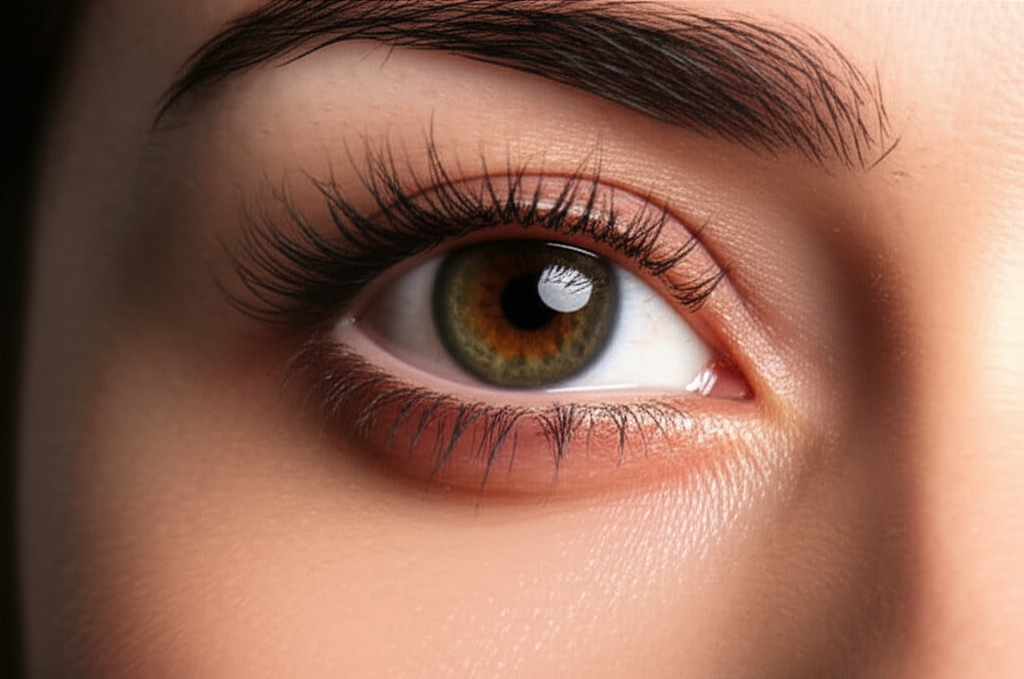
That nagging tooth pain creeps up into your cheek and maybe even behind your eye. Or, after you’ve fought a tough cavity, your vision seems blurry or your eye just looks red and won’t settle down. Naturally, you wonder: Can problems with your teeth really mess with your eyes? You’re definitely not alone in thinking about this.
A lot of people don’t realize how much our bodies are tied together—especially teeth and eyes. If you’ve ever heard your dentist or eye doctor say that bad oral health could affect your sight, you might have brushed it off. After all, your teeth and eyes seem far apart, right? But as you’ll find out, they’re more closely linked than you think.
Let’s talk about the ways bad teeth and gums can cause eye pain, swelling, and sometimes even bigger vision problems—and, most importantly, what you can do to keep your mouth and your eyes healthy.
Let’s be clear: Yes, bad teeth and gum disease can affect your eyes. There’s a real link between poor oral health and some eye problems. It might sound weird, but once you see how your whole body works together, it makes sense.
Doctors talk about the “oral-systemic link,” which basically means problems in your mouth can spread elsewhere—sometimes through your blood, nerves, or by putting your immune system under stress.
So if you have a toothache, mouth infection, swelling in your gums, or skip that next cleaning, you’re right to care about it.
Why would mouth trouble affect your eyes? Here’s the simple science and what happens in real life.
Your mouth is full of bacteria—most are fine, but some aren’t. If you have untreated cavities, gum infections like periodontitis, or a dental abscess, those germs can get out. They travel:
If your gums are swollen from gum disease, even if you don’t feel it, that swelling can start a chain reaction for your whole immune system—kind of like pulling a fire alarm for smoke in just one room. Your eyes can react by swelling up or hurting.
The main nerve for feeling in your face (the trigeminal nerve) has branches going to your teeth, cheeks, and around your eyes. That means a toothache can “send” pain to your eye, so it may feel like eye trouble even if it all started in your tooth.
Here are a few eye problems that doctors, dentists, and scientists have seen connected to dental health:
What It Is: Uveitis is swelling of the middle part of your eye. It can cause pain, redness, and blurry vision—and if it’s ignored, it can even cause vision loss.
How Teeth Are Involved: Severe gum disease boosts swelling all over your body, which can turn on uveitis in some people. Sometimes, germs from your mouth spark it.
What It Is: This is a deep, serious infection in the tissue around your eye. It can cause lots of swelling, bad pain, redness, fever, and even double vision.
How Teeth Are Involved: Germs from a bad dental abscess (usually an upper molar) can break through into your face and even get to your eye area. There are many cases where ignored tooth infections lead right to orbital cellulitis. This can make you lose vision fast if not treated.
What It Is: This is swelling of the optic nerve, which sends sight signals from your eye to your brain. It can cause vision loss, blurry sight, and pain when moving your eye.
How Teeth Are Involved: It’s rare, but some serious long-lasting mouth infections can push up swelling in the whole body and might set off problems like optic neuritis—especially in people who are already at risk.
What It Is: Also called pink eye, this is swelling or infection of the thin layer over your eyeball. It’s red, watery, and can be a bit sore.
How Teeth Are Involved: Long-term infection in your mouth can weaken your immune system, letting problems like pink eye happen more easily—even in your eyes.
What It Is: This is a really tough infection inside the eye.
How Teeth Are Involved: It’s super rare, but if germs from a really bad dental abscess or after a dental treatment get into your bloodstream, they can end up in your eye. This mostly happens in people with other serious health issues.
Many people get:
Treating the dental problem often makes these stop. Why? Because pain can “travel” along connected nerves.
Sarah didn’t do anything about a big cavity in her upper molar. After some time, she started feeling sinus pressure and a dull ache behind her eye. She thought it was just allergies. But after her dentist fixed the tooth, both her sinus and eye pain went away.
Here’s how problems in your mouth show up as eye trouble.
Dental infections can let germs into your blood. Once there, they can go almost anywhere—including your eyes. This is how rare but serious problems like endophthalmitis start.
The roots of your upper back teeth aren’t far from your sinuses and the space around your eyes. If an infection eats through the thin wall, it can get to the area around your eye—leading to problems like orbital cellulitis.
Your mouth and eyes have little vessels (lymphatics) that carry immune cells—and sometimes, germs. This is a less direct route, but can happen if things get really bad.
Some mouth germs can trick your immune system into staying on high alert. When that happens, swelling can affect other places, including your eyes—even without an active infection.
It’s easy to ignore a sore tooth or red eye. But knowing when to act can save your vision—and your teeth. Watch for:
If you notice any of these, don’t wait it out. Going to your dentist, eye doctor, or regular doctor quickly can make a big difference.
Good news: Most eye problems from bad teeth can be stopped with some simple steps. Here’s what helps.
Getting checked every six months lets your dentist find small problems before they get serious. At a china dental lab or local office, they’ll help you keep healthy.
Tooth pain, swelling, or a clear abscess? Get it fixed right away. Waiting too long or skipping treatment gives infections time to spread.
Don’t skip eye doctor visits! Regular checks catch problems early—especially if you’ve had dental infection or gum disease in the past.
If you have both dental and eye symptoms, tell both your dentist and eye doctor everything. They can work together to find what’s wrong.
Scenario 1:
You notice swelling below your eye, and your upper molar is sore.
Scenario 2:
You’ve had gum disease for a long time and now have red, angry eyes.
Scenario 3:
You have a dull, constant headache that gets worse when chewing, with pain going to your eye.
Some issues need a dentist or eye doctor, while others you can manage at home. Here’s how to spot the difference.
Go to the dentist if you have:
See your eye doctor if you have:
If you have dental and eye symptoms together or with a fever, get help fast.
Some people are more likely to have mouth-to-eye problems:
If you wear dentures or a dental appliance, remember infections can hide under them—another good reason for regular checks.
Here’s the main stuff to remember:
The Most Important Points:
Ready to move forward? Here’s how:
Staying on top of things keeps your vision clear, your smile bright, and lets you enjoy life’s little details—like the sparkle in your eyes after a good check-up.
Can a tooth infection make your eye hurt?
Yes. Tooth abscesses—especially in your top teeth—can swell up and cause pain near or under the eye.
If I have gum disease, will I definitely get eye problems?
Not always, but people with bad gum disease do have a higher chance for eye trouble (like uveitis) because of more body-wide swelling.
Will my eye infection go away if I fix my teeth?
Sometimes, fixing the dental problem makes eye pain quit, especially if it was “sent” pain. But some eye infections need their own treatment—see your dentist and eye doctor.
Can dental work, like implants or crowns, affect my eyes?
Only if an infection starts and spreads. Work done at a proper lab using clean tools is your best bet to avoid issues.
I have dry eyes and gum problems. Are they related?
Maybe—chronic swelling can mess with lots of parts at once. Get both your dentist and eye doctor to help out.
Think of your health like a band. If even one section—like your mouth—is out of tune, the whole song (even your eyes) can feel off. Taking care of your teeth and gums now gives you better health, vision, and confidence for years to come.
Don’t just wait for pain to hit. Be ready, stay smart, and ask for help. Mouth health is never just about teeth—it’s about all of you.
If you’re worried, make an appointment with your dentist and eye doctor. You might be surprised just how much they can tell you—about your teeth and your eyes!
References: Big health groups like the American Dental Association (ADA), American Academy of Ophthalmology (AAO), Mayo Clinic, and medical journals. For more advice on your dental health, talk directly with your healthcare provider.


 English
  French
  German
  Italian
  Spanish
  Portuguese