Physical Address
304 North Cardinal St.
Dorchester Center, MA 02124
Physical Address
304 North Cardinal St.
Dorchester Center, MA 02124

Worried about your teeth while on Accutane?
Accutane, or isotretinoin, is well-known for helping hard-to-treat acne, but you don’t hear as much about what it could do to your mouth. Your teeth are important, and nobody wants to fix one problem only to get a new one. That’s why I spent a lot of time looking at real stories and research—so you don’t have to. This article is helpful because it clears up the confusion, shares what dentists and real Accutane users say, and gives you tips to look after your teeth while you work on your skin.
Accutane is just the brand name for isotretinoin, a strong medicine meant to treat serious acne. When my skin doctor first told me about it, I imagined it was a magic answer for clear skin. That’s how a lot of people see it. Isotretinoin lowers the oil your skin makes, which dries up pimples from where they start. Less oil usually means fewer breakouts, or at least that’s the idea.
But it’s not all perfect. For years, isotretinoin has been linked to all kinds of side effects—some you’d expect, some strange. Because it dries out things, Accutane can take away moisture all over your body, not just your skin. So, anytime you take a strong drug like Accutane, you have to think ahead a bit. Your teeth, sadly, can get caught in the mess.
Have you ever focused so hard on one thing that you miss something else? That’s how it is with Accutane and teeth problems. You might start worrying about your acne, but in the background, your mouth can be going through changes you don’t expect.
We all know healthy teeth are more than just for looks. You need them to speak, eat, and feel good about yourself. If Accutane might mess up your teeth, you’d want to know before you even pick up your pills. It’s good to know the risks, because having clearer skin isn’t great if you end up with a mouth full of new problems. I’ve talked to people and read studies to get the truth—because nobody wants to trade one problem for another.
This is the main thing people ask. They want to know if Accutane actually hurts their teeth, wears down enamel, or causes cavities. When I first looked up “does Accutane cause teeth problems,” there were a lot of scary stories, but not many clear answers. Let’s explain it simply.
Most studies don’t show that isotretinoin damages teeth right away. You’re not going to wake up on the third day with rotten teeth. Accutane doesn’t attack tooth enamel or bone right away. Problems usually show up in a sneaky way: by drying out your mouth, which brings a new set of issues. So, your teeth aren’t the main target, but they can get hurt because of what’s going on in the rest of your mouth.
But, everyone is different. A few people in acne forums say their teeth feel sensitive, hurt, or weak. Science isn’t fully sure, but it’s still smart to watch out for any changes while on the medicine.
The main thing when talking about Accutane is dryness—everywhere. I mean dry skin, dry lips, dry nose, and yes, dry mouth. Saliva isn’t just spit—it’s really important. It helps wash away food, fights off acids, and keeps the inside of your mouth healthy.
When Accutane dries you up, your mouth loses its best defense. This can make more plaque stick to your teeth and gums, leading to things like bad breath, or maybe even cavities if you aren’t careful. Your tongue and cheeks might get sore or crack. Some people even get ulcers or a sore throat—and that’s all because of dryness.
So, while your skin is getting better, your mouth could be having a hard time. That’s why it’s good to pay more attention to your mouth care during treatment.
If you’ve ever skipped flossing and then saw a little blood, you know gums are sensitive. Accutane changes how wet your mouth is, which can bother your gums or make them puffy. Sometimes gums might look swollen or bleed more than usual.
I’ve heard of people going in for a cleaning at their denture lab or implant dental lab, and being surprised their gums hurt even though they brush like always. When your mouth is dry, germs can grow way more, and gums usually suffer first.
You can also get mouth sores and ulcers. These hurt a lot. And if you wear things like dentures, retainers, or clear aligners, dry gums can get even more sore under those devices. Small problems can add up quickly.
Dry mouth might not sound like a big deal for clear skin at first, but trust me, it can get really annoying. Saliva does way more than just keep things wet. It fights acids and germs, helps you chew and swallow, and even keeps teeth strong by bringing them minerals.
If you don’t have enough spit, your chances of having cavities goes up. Your teeth might feel sticky or rough. You might even find it hard to talk or swallow. If you ever had “cottonmouth” when you’re nervous, just think of that all the time—and with new problems too.
Friends who work in dental labs, like at a china dental lab or digital dental lab, say they see more people with dry mouth damage than most people think. It sneaks up on you, so stopping problems early and taking care is super important during Accutane.
I wanted the truth from people who deal with this, so I asked some local dentists, and even someone at a veneer lab. What did they say? Dentists don’t freak out if you take Accutane, but they do check you more closely for dryness and gum troubles.
People who work in implant dental labs said that Accutane doesn’t mean you will have tooth problems, but keeping up with your care is very important. In some digital dental labs, patients on Accutane say they get mouth sores or pain under false teeth or other devices. The medicine doesn’t attack your dental work—it’s the dry gums or tissue that get sore or irritated from wearing those things.
Dentists say to tell them right away about any new pain, sensitivity, or bleeding. Sometimes they’ll give you special mouthwashes, gels, or toothpaste for sensitive or dry mouths.
Besides asking experts, I wanted to hear from real people who’ve been through it. Looking on forums and social media, I saw it all: some people had no issues, others said their gums bled or got sores during treatment.
One person said checking in with their dentist every week, and using extra-moisturizing mouthwash, stopped any problems. Another said their teeth felt “softer” (really, it was probably sensitivity from dryness). Some people with partial dentures got sores in places that never hurt before—which lines up with what workers at any removable denture lab would expect with dry, sore gums.
But it’s not bad news for everyone. Many people don’t get problems at all. But after reading these stories, I see how different it can be for everyone. If you notice anything weird, trust yourself—it’s not just in your head.
No two mouths are exactly the same, so what’s a problem for one person might be fine for someone else. Still, your risk is higher if you already have mouth problems, trouble keeping hydrated, or get lots of canker sores or gum problems.
Smoking, having other health problems like diabetes, or taking medicines that dry you out (like allergy or mood pills) can make things worse. Older adults also get dry mouth more often because spit glands slow down with age.
If any of these sound like you, watch out more carefully. Tell your skin doctor and dentist about all your medicines. Working as a team helps a lot.
Here’s the good stuff: there’s a lot you can do to guard your smile. First, water is your best friend. Carry a bottle and sip often, especially if you feel dry or sticky inside your mouth.
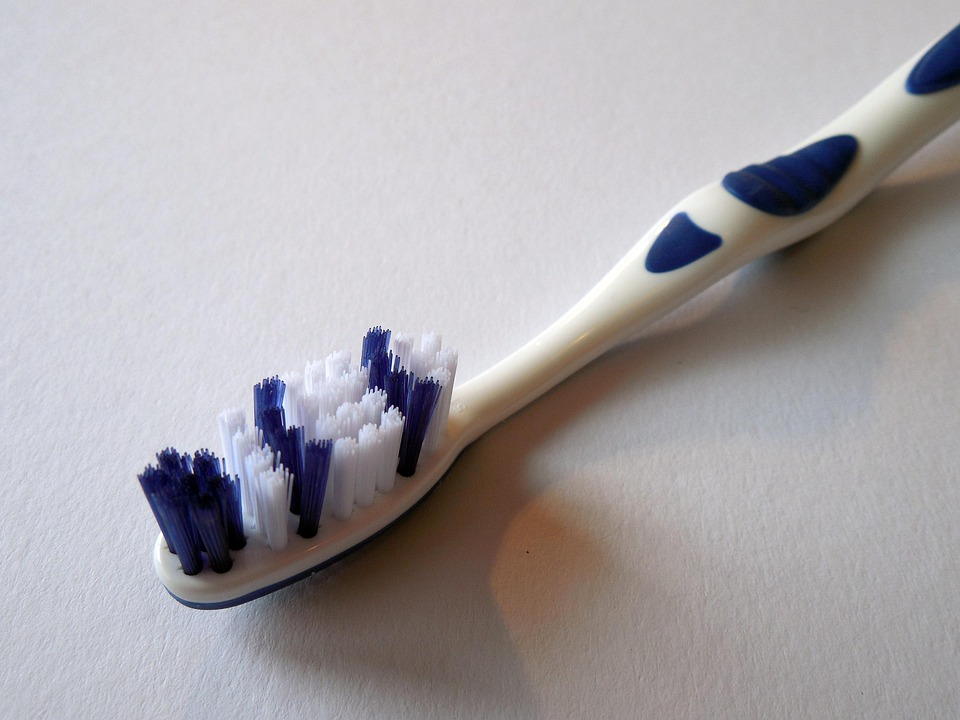
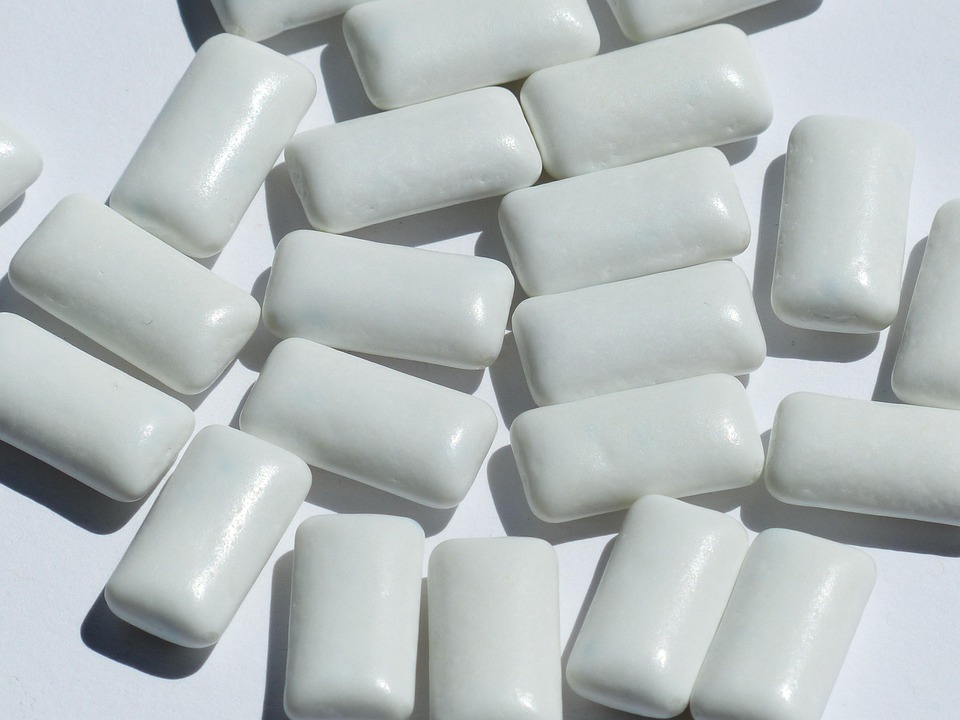
Take better care of your mouth. Brush twice a day with gentle toothpaste (sensitive kinds are great), and floss gently so your gums stay healthy. Rinses made for dry mouth help, and some dentists like xylitol gum or candies, which help you make more spit.
I met someone at a digital dental lab who swears by using a super-soft toothbrush and a humidifier at night. These small tips might sound easy, but they really add up over time.
Go to the dentist as planned. Don’t skip cleanings or checkups while on Accutane. If you’re getting dental work (like a veneer or a partial denture), tell them you’re taking isotretinoin. They can change things to help you feel more comfortable.
Accutane doesn’t mean you can’t get dental work, but being more careful is smart. If you need surgery or something big, your healing might take longer because your mouth’s drier or more sensitive. Things like pulling teeth, gum surgery, or even hard cleanings can feel rougher than normal.
Other treatments like getting veneers or crowns are okay, but your dentist might tell you to wait a bit if your mouth’s really dry or sore. If your lips dry and crack, you could get sore at the corners of your mouth, making dentist visits less fun.
Always tell your dentist you’re on Accutane before doing anything. That way, they can use numbing gels, be extra gentle, and help you after the visit if needed.
After all my research, I can say Accutane won’t ruin your teeth by itself, but it does make it easier to get problems if you’re not careful. The biggest issue is dry mouth—treat it early, and you can keep that smile happy while your skin gets better.
Don’t be afraid to ask questions. Your mouth is as important as your skin. Remember: talking to both your skin doctor and dentist is important. With the right steps, most people finish Accutane with good skin—and their teeth all fine.
If you plan to start Accutane, don’t let mouth worries stress you out—just watch for symptoms, drink water, and keep those dentist visits booked. Your smile (and your skin) will thank you!


 English
  French
  German
  Italian
  Spanish
  Portuguese