Physical Address
304 North Cardinal St.
Dorchester Center, MA 02124
Physical Address
304 North Cardinal St.
Dorchester Center, MA 02124

When you think about missing teeth, you might worry about your smile or how it affects eating. But did you know your teeth and sinuses are closer friends than you think? This article uncovers the hidden link between missing teeth and sinus problems. If you or a loved one has ever wondered why your nose feels stuffy or you have strange pain after losing a tooth, this is a must-read. You’ll learn why this happens, the symptoms to look for, and what you can do about it—all in a way that’s easy to understand.
Let me tell you a secret. When you lose an upper tooth, you’re not just missing something in your smile. Sometimes, you could let in a whole lot of trouble for your nose and head too. Many people never connect missing teeth with deep, nagging sinus pressure or odd nose problems. But the truth is, your teeth and sinuses share a border—almost like next-door neighbors. And just like with real neighbors, sometimes trouble can cross the fence.
This article explains in clear steps how missing teeth can lead to sinus problems, what signs to look for, and how to fix and avoid them. You don’t need to be a doctor to understand. Stick with me and you’ll know just what to do to keep both your mouth and sinuses in top shape.
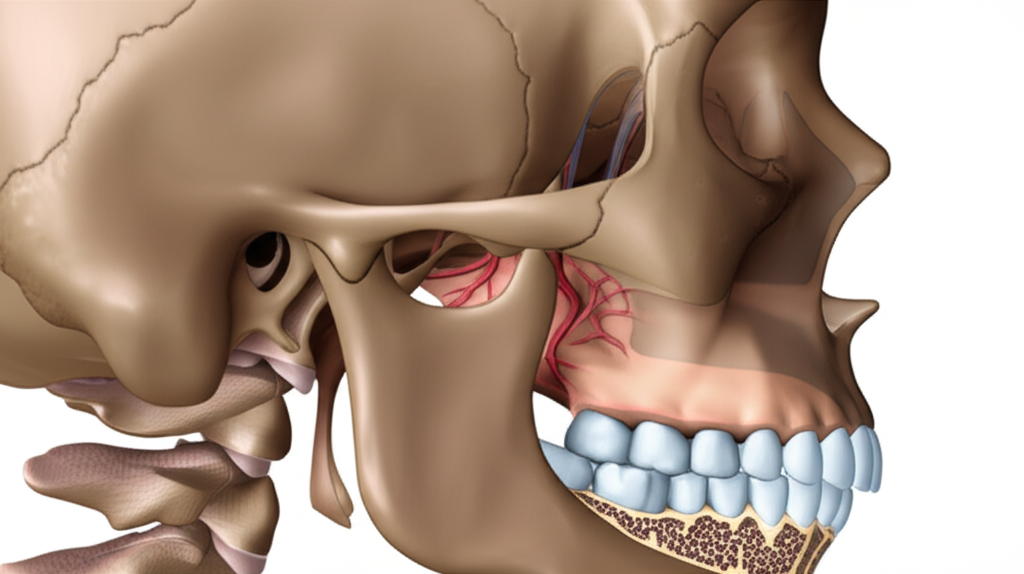
Have you ever had a toothache that made your whole face hurt? That’s not by accident. At the top of your mouth, just above your upper teeth, are spaces called maxillary sinuses. Imagine a balloon-shaped room right above your molars and premolars. These sinuses help your nose do its job, filter air, and protect your face from knocks.
Sometimes, the roots of your upper back teeth almost poke right into the floor of the maxillary sinus. In fact, the wall between your tooth root and that sinus balloon can be thinner than a piece of paper—sometimes less than 1 millimeter! For some people, the root even sticks into the sinus a bit, covered by just a thin bit of tissue.
That’s why problems in your teeth can quickly move over and mess with your sinuses—and the other way around.
Yes, it sure can. Whether you’ve lost a tooth by accident, had it pulled because of rot, or never had one grow in right, the empty spot brings risks. Here’s what happens:
Studies say up to 12% of sinus infections in the upper jaw come from teeth problems, and if the symptoms are only on one side of your face, the number goes up to almost 40%. That’s a big risk you’d never guess without knowing.
Let’s say you lost a back upper tooth. Here’s what can happen:
Your jawbone likes to have teeth to stay strong. When there’s no tooth, it starts shrinking away. Experts say you can lose up to 25% of that bone in the first year, and it keeps getting smaller as time goes on.
With a weaker “roof,” it’s easier to make a hole—or for a problem to pass through. If you ever need dental work again (like a new implant), there’s a real risk the dentist could poke into the sinus.
If this hole doesn’t close, you get a weird opening between your mouth and sinus. That’s a quick way for bacteria and food to get in. It happens a lot after a hard tooth pull, mostly on upper first and second molars.
Even if you don’t have an open hole, germs like leftover bone or sick gum tissue. A “dead” tooth root, gum infection, or an infection from the missing tooth spot can sneak into the sinus and cause sinusitis.
So missing teeth can really mess with more than just your looks.
It can be tough to know if sinus problems come from your teeth, but here are some signs to keep an eye out for.
When these pop up, especially after tooth loss or a dental visit, it’s time to think, “Could this be coming from my teeth?”
You might wonder how dentists tell if the sinus is acting up because of your teeth. Here’s what they do:
Your dentist will look in your mouth really well. They’ll look for loose teeth, sore places, leftover roots, and poke at your gums for signs of a hole or infection.
Normal X-rays (like a big mouth X-ray) can show big trouble, but the best is the cone beam CT scan (CBCT). This scan shows every bit of your sinuses, roots, and jawbone. It can see hidden infections, small holes, or pieces left from a lost tooth.
Sometimes, it takes a group. Your dentist might work with an ENT doctor (ear, nose, and throat doctor) or an oral surgeon, so nothing is missed.
Getting the right picture is the key to fixing the problem.
What if you find out your sinus trouble is all because you’re missing a tooth? Don’t worry. There are lots of good ways to fix it.
Don’t leave spaces empty, or more trouble can start. Modern ways include:
It’s true—“an ounce of prevention is worth a pound of cure.” Here’s how to keep teeth and sinuses happy:
It takes teamwork between you, your dentist, and a good dental lab.
Sometimes, small problems need a pro. Call your dentist or doctor if:
A dentist, oral surgeon, or ENT doc can work together, find the real problem, and get you feeling better.
So, can missing teeth cause sinus problems? Yes, for sure. It’s all about how close your upper teeth and sinus “neighbors” are. Leave a tooth gap empty, and you risk bone loss, infection, and sinus trouble you didn’t expect.
Lucky for you, there are a lot of ways to fix and stop these issues. Don’t wait to replace missing teeth, and keep up with dental care. If you do have problems, getting help early means faster healing and less hurt.
Remember, healthy teeth mean healthy sinuses—and a happier you.
Q: How soon can sinus problems start after losing a tooth?
A: Sometimes right away, especially after a tough tooth pull. Other times, it can take months as bone shrinks or a hidden infection grows.
Q: Will a dental implant fix my sinus problem?
A: Implants fill the gap and help bone stay strong, but they should only go in after the infection or open hole is fixed. Make sure you use a skilled lab to get it done right.
Q: Can my lower teeth cause sinus issues?
A: Not really. The sinuses only sit above your top teeth. Lower teeth problems might hurt, but not cause sinus infections.
Q: Is every sinus infection from teeth?
A: No, but up to 12% of top sinus infections come from dental issues. If you have sinus pain only on one side, think teeth first.
Q: What if I can’t pay for implants?
A: Dental bridges and dentures can fill gaps, but they don’t stop bone loss. Talk to your dentist about when to do it and your best pick.
You only get one set of teeth and one set of sinuses—take care of both, and they’ll take care of you!


 English
  French
  German
  Italian
  Spanish
  Portuguese